
 See Our Latest Article on HelloNation
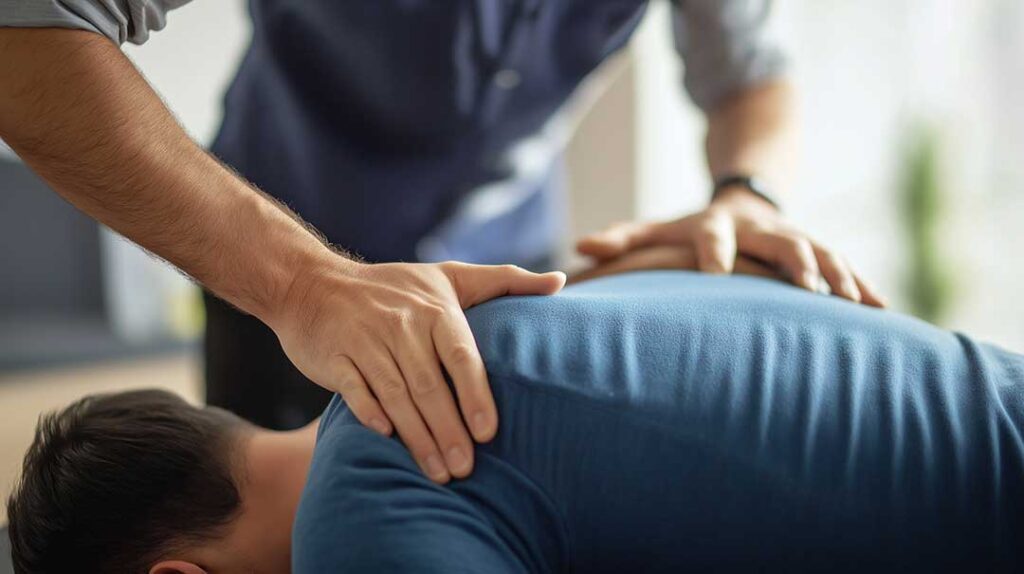
Chronic pain is generally pain that continues for three months or longer, including pain that remains after an injury should have healed. It may involve the back, neck, joints, nerves, muscles, or several areas at once. Self-care cannot replace a medical evaluation, but consistent daily habits can help reduce flare-ups, improve movement, and make symptoms easier to manage. ([medlineplus.gov](https://medlineplus.gov/chronicpain.html?utm_source=openai))
What does chronic pain management involve?
Chronic pain management is usually less about finding one permanent fix and more about improving function, sleep, mood, and participation in daily activities. Pain may not disappear completely, but a person can often build greater control over how symptoms affect work, household tasks, recreation, and rest.
A useful plan may combine:
- Gradual physical activity
- Better sleep habits
- Stress-management techniques
- Pacing and activity modification
- Safe use of medications
- Support from appropriate health professionals
- Tracking patterns that increase or reduce symptoms
Pain is influenced by more than injured tissues alone. Poor sleep, emotional stress, prolonged inactivity, repeated lifting, and fear of movement can all contribute to increased sensitivity or reduced function. This does not mean the pain is imaginary. It means the nervous system, muscles, joints, sleep, and emotional health can interact.
How can movement help without making pain worse?
Gentle, regular movement is usually more helpful than complete rest. Physical activity can support mobility, strength, sleep, mood, and daily function; it may also decrease pain in some people with arthritis and other chronic conditions. ([cdc.gov](https://www.cdc.gov/chronic-disease/living-with/index.html?utm_source=openai))
Start below the level that triggers a major flare. For example, a person who usually walks for 30 minutes but feels worse afterward might begin with five to ten minutes at an easy pace, then increase gradually if symptoms remain manageable.
Helpful options may include:
- Short walks on level ground
- Gentle range-of-motion exercises
- Water-based movement
- Light stretching that does not produce sharp or radiating pain
- Basic strengthening with body weight or light resistance
- Frequent position changes during sitting or standing
A temporary increase in mild soreness can occur when activity changes, but sharp pain, new weakness, increasing numbness, or symptoms that continue worsening should not be ignored. People with a known condition, recent injury, balance problems, or significant limitations should ask a qualified health professional how to adapt activity safely.
During icy winter conditions or uneven outdoor surfaces, indoor walking and simple mobility exercises may be safer for local households. Keeping walkways clear, using adequate lighting, and avoiding rushed movements can also reduce the chance of a new injury.
What is pacing, and why is it useful?
Pacing means dividing activities into manageable portions instead of alternating between overexertion and prolonged rest. Many people with chronic pain feel relatively capable on a good day and try to complete several demanding tasks at once. The result may be a flare that lasts for days.
A pacing approach might look like this:
1. Identify the activity that commonly causes a flare.
2. Estimate how long it can be performed comfortably.
3. Stop before symptoms become severe.
4. Rest briefly or switch to a different type of task.
5. Increase the duration slowly over time.
For household work, this could mean carrying fewer items, using a cart for heavier loads, sitting for food preparation, or dividing snow-related chores into smaller periods when conditions are demanding. The goal is not to avoid activity permanently. It is to make activity predictable enough for the body to tolerate.
Can sleep and stress affect chronic pain?
Yes. Chronic pain can interfere with sleep, while insufficient sleep may increase fatigue, irritability, and pain sensitivity. Stress can also lead to muscle tension, shallow breathing, reduced activity, or difficulty concentrating. ([medlineplus.gov](https://medlineplus.gov/chronicpain.html?utm_source=openai))
A consistent sleep routine is often more practical than trying to “catch up” after several poor nights. Consider:
- Going to bed and waking at similar times
- Keeping the bedroom dark, quiet, and comfortably cool
- Limiting stimulating screen use before bed
- Avoiding heavy tasks immediately before bedtime
- Using a brief breathing or relaxation exercise
- Getting out of bed for a quiet activity if pain prevents sleep for a long period
Stress reduction does not have to mean eliminating every source of stress. Five minutes of slow breathing, a short walk, journaling, gentle stretching, or a guided relaxation exercise may help interrupt the cycle of tension and worry.
Cognitive behavioral therapy and related behavioral approaches can help some people develop skills for sleep, activity planning, relaxation, and coping with the emotional effects of persistent pain. ([ninds.nih.gov](https://www.ninds.nih.gov/health-information/disorders/pain?utm_source=openai))
Should heat, cold, or home remedies be used?
Heat may help relax tight muscles and make movement easier. Cold can sometimes reduce discomfort after activity or during a short-term flare. Use a cloth barrier between the skin and the heat or cold source, and limit exposure to avoid burns or skin injury.
A home remedy should be stopped if it causes numbness, skin discoloration, increased pain, dizziness, or irritation. People with reduced sensation, circulation problems, diabetes, or difficulty recognizing temperature changes should use extra caution.
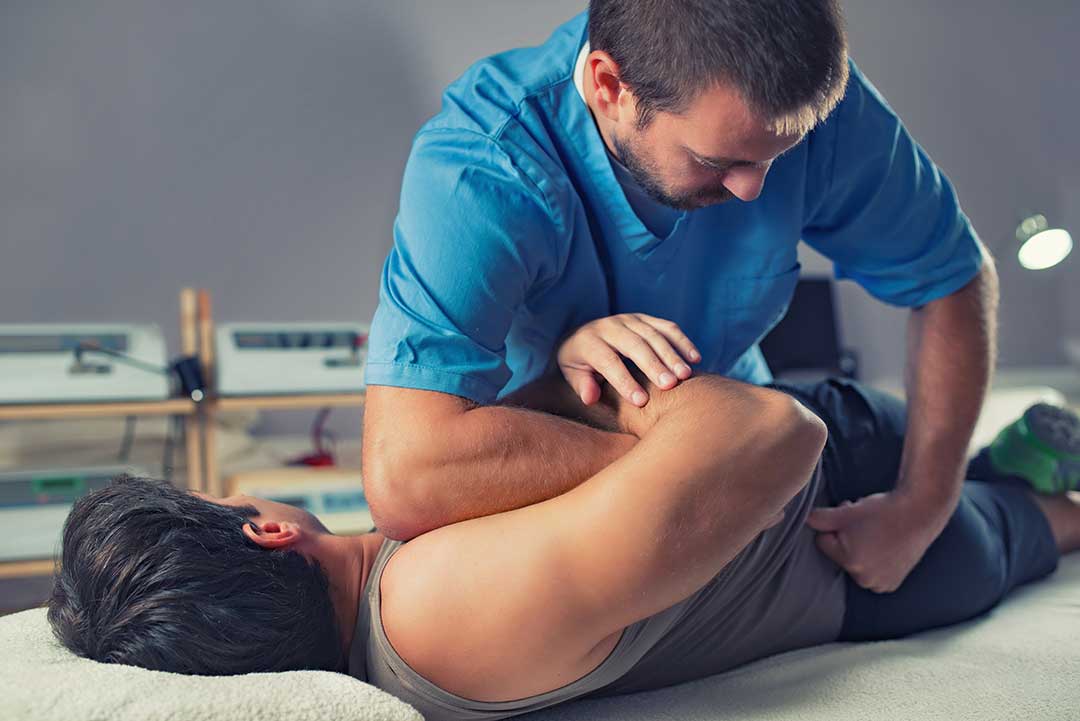
Self-massage, gentle mobility work, and comfortable positioning may help some individuals, but forceful stretching or repeated “cracking” of a painful area can aggravate symptoms. Chiropractic care, physical therapy, massage, acupuncture, and other approaches may be considered depending on the cause and type of pain. No single treatment works for every person, so the focus should remain on safety, function, and measurable improvement. ([ninds.nih.gov](https://www.ninds.nih.gov/health-information/disorders/pain?utm_source=openai))
How should pain medicines fit into self-care?
Over-the-counter medicines are not automatically safe for everyone. Acetaminophen may affect the liver when taken improperly, while anti-inflammatory medicines such as ibuprofen and naproxen may create risks for some people with kidney disease, ulcers, heart conditions, blood-pressure concerns, medication interactions, or pregnancy.
Read labels carefully and avoid taking multiple products with the same active ingredient. A pharmacist or medical professional can help review safe options, especially when pain is frequent or several medications are already being used. Medications should not be increased, combined, or stopped abruptly without appropriate guidance.
Self-care should also include keeping a record of what has been tried, the dose or frequency when relevant, symptom changes, sleep quality, and ability to function. This information can make future medical discussions more specific and useful.
When does chronic pain require prompt medical attention?
Seek urgent medical care for pain accompanied by new loss of bladder or bowel control, severe weakness, sudden numbness, fainting, chest pain, difficulty breathing, a major injury, fever with severe illness, unexplained weight loss, or rapidly worsening neurological symptoms.
A medical evaluation is also appropriate when pain is new, steadily worsening, waking someone regularly, associated with unexplained swelling or redness, or preventing normal movement. Chronic pain should not be dismissed simply because it has lasted a long time.
A practical starting point is to choose one manageable change—such as a five-minute walk, a consistent bedtime, or a brief activity log—and observe how it affects function over several days. Improvement is often measured not only by a lower pain score, but also by being able to sleep longer, move more comfortably, or complete an ordinary task with less recovery time.
