
 See Our Latest Article on HelloNation
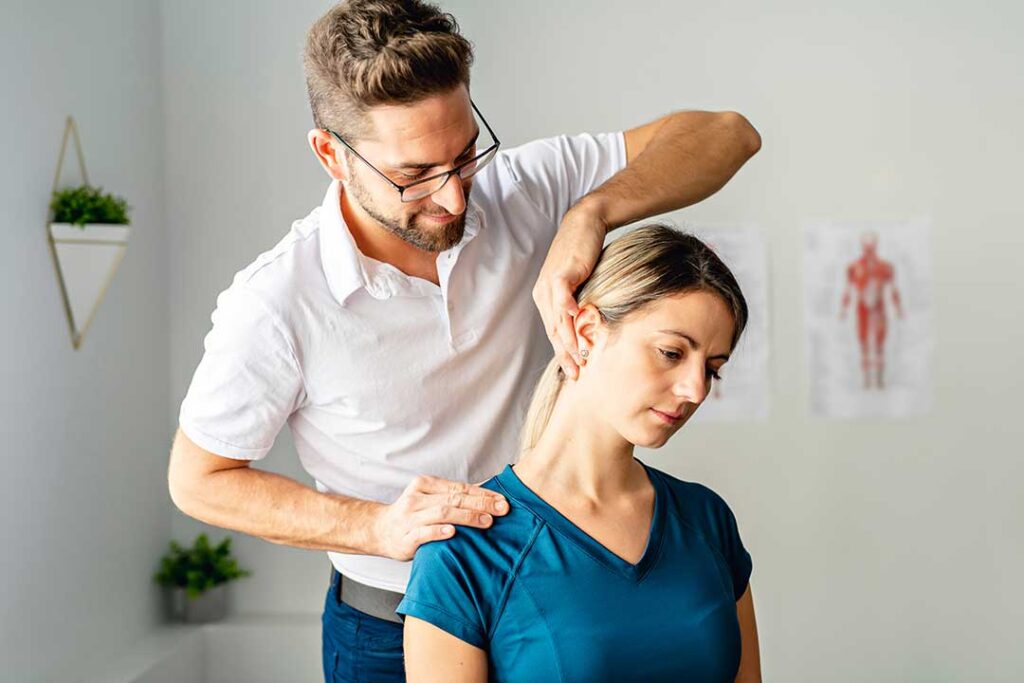
How Could Spinal Alignment Affect a Golfer’s Game?
Spinal alignment has a direct influence on flexibility, rotational power, and comfort during golf swings. Proper alignment supports natural movement patterns, allowing golfers to rotate their torso smoothly and maintain consistent form. Misalignments or joint stiffness may lead to compensation, reducing accuracy and increasing fatigue over a round.
In Moreau, regional golfing often involves uneven terrain and long walks. Staying aligned may help area golfers maintain good posture through changing slopes, preventing back or neck strain that’s common after 18 holes.
Can Chiropractic Adjustments Improve Swing Mechanics?
Chiropractic adjustments often focus on joint mobility, especially in the spine, hips, and shoulders. Improved mobility in these areas can support a fuller backswing and follow-through, essential for generating distance and control. Local golfers sometimes report that after addressing joint restrictions, swings feel more fluid and less forced.
Additionally, subtle corrections can help distribute force evenly through the body—not just the arms—reducing the risk of muscle overuse, common in amateur golfers who play on weekends or after work.
What Common Golf Injuries Might Be Addressed by Chiropractic Principles?
Several injuries and discomforts are common among those who play regularly, whether at local courses or recreational club leagues:
- Lower back pain: Twisting under force, especially with tight muscles, is a key cause.
- Neck stiffness: Poor posture during address or from looking down at the ball for extended periods.
- Shoulder discomfort: Repetitive motion and over-swinging can strain the rotator cuff or upper back muscles.
- Elbow pain (“golfer’s elbow”): Repeated gripping and impact can irritate tendons.
For community members who love the game, learning to recognize early warning signs—such as soreness that lingers past a day or discomfort during regular daily tasks—can be essential. Chiropractic approaches often include movement education and gentle mobility exercises designed to reduce injury risk, paired with advice on optimal body mechanics.
What Role Does Flexibility and Core Strength Play in Golf?
Golfers need more than a strong swing; flexibility and core stability are crucial for control and power. Proper mobility in the hips, mid-spine, and shoulders can provide a smoother transition from backswing to downswing, helping players avoid abrupt movements that can trigger strain.
Local golfers often experience stiffness after time away from the sport or during cold, damp spring and fall seasons typical in the region. Chiropractors frequently emphasize the following:
- Gentle dynamic stretches before tee-off to “wake up” joints and muscles
- Building core stability with simple balance drills done at home
- Using golf-specific mobility routines to preserve flexibility throughout the season
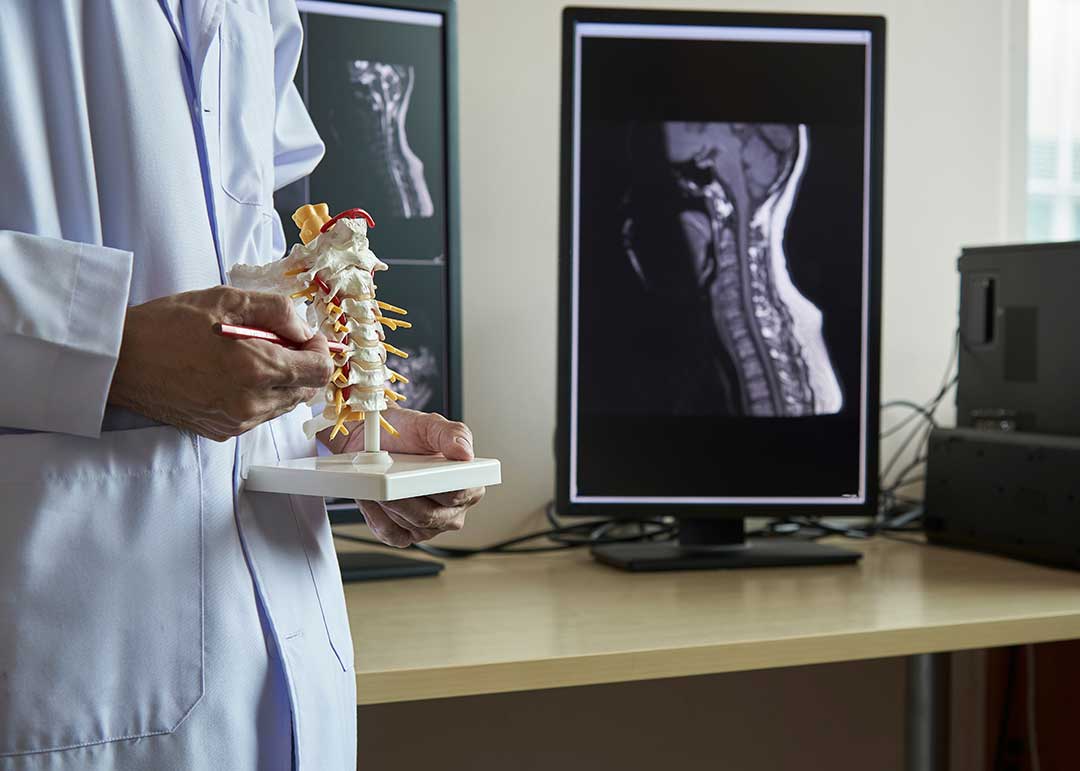
How Might Regular Care Help with Recovery and Endurance?
Walking hilly courses or playing multiple rounds in a week can take a toll. Regular check-ins with musculoskeletal health in mind may help area residents recover faster from minor aches, preventing small issues from lingering. Improved joint mechanics and muscle balance can mean finishing an entire round with less fatigue and feeling fresher for daily routines.
Supporting recovery with practical habits—such as correct stretching, hydrating properly during hot summer rounds, and taking occasional breaks during marathon games—are especially valuable to local retirees or anyone hoping to play longer into life.
What Are Some Myths or Misconceptions About Chiropractic and Golf?
There’s a common idea that only injured players benefit. In fact, many seek proactive guidance to help prevent problems before they limit game enjoyment. Another misconception is that adjustments alone will “fix” golf problems. Sustained improvement usually comes from combining hands-on care with personalized advice around habit changes, movement patterns, and self-care after play.
Area residents also sometimes assume all joint or muscle pain signals serious injury. Often, early discomfort is related to form, overuse, or inadequate warm-ups—issues that can be addressed with proper movement education and self-management techniques.
How Can Local Golfers Start Applying These Principles?
Golfers in the community can take a few steps to support comfort and performance:
- Warm up with stretches targeting hips, shoulders, and mid-back before every round
- Practice core and balance exercises year-round, not just during the golfing season
- Listen to early warning signs like stiffness or fatigue, and modify activity when needed
- Incorporate rest and recovery strategies after particularly active weeks
By developing habits focused on alignment, flexibility, and gradual improvement, local golf enthusiasts may find themselves enjoying more consistent play, fewer aches, and better rounds across the city’s diverse golf landscapes.
