
 See Our Latest Article on HelloNation
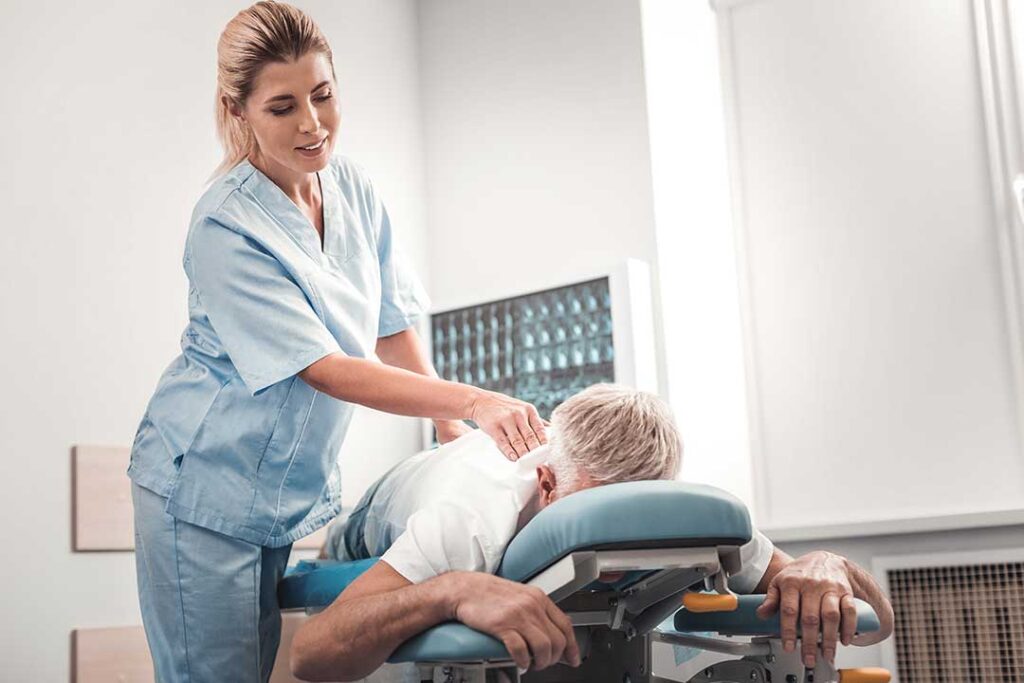
Can Knee Pain Be Managed Without Medication?
Yes, many residents find daily relief from knee discomfort using natural methods, especially those looking to avoid regular use of pain relievers or medications. Understanding what might be behind the pain, and adopting supportive daily habits, often helps manage symptoms and can prevent further problems.
What Everyday Habits Support Knee Health?
Simple adjustments to daily movement and routines in the city can reduce knee strain considerably.
- Stay Active with Low-Impact Movement: Walking in local parks, gentle biking, or swimming are excellent for keeping the knee joint flexible without high stress.
- Take Breaks from Prolonged Sitting or Standing: Area residents who spend much of the day at a desk, or standing for extended stretches, notice less stiffness with regular breaks to stretch or move.
- Keep Surfaces Even: Uneven outdoor ground and icy walkways, especially in winter, can put knees at risk. Non-skid shoe soles and attentive walking help protect joints from sudden twists or jolts.
How Can Physical Therapy and Exercise Help?
Targeted movement and stretching routines strengthen muscles supporting the knee and help restore a normal range of motion. This doesn’t require special equipment and can be done safely at home or outdoors.
For most people, these steps safely build support around the knee:
- Begin each day with gentle quad stretches and calf stretches.
- Practice sitting and standing using a sturdy chair to engage upper leg muscles without excessive strain.
- Use wall squats or heel raises if balance permits.
- Avoid locking the knees when standing for long periods.
When starting new exercises, move slowly and avoid any movements that cause sharp pain rather than mild discomfort.
Are There Helpful At-Home Remedies for Relief?
Yes, several straightforward approaches bring comfort and decrease swelling or stiffness.
- Cold Packs: Applying a cold pack wrapped in a towel for 15–20 minutes can help with swelling after activity.
- Moist Heat: Warm compresses or a warm bath relax sore tissues, especially in colder seasons.
- Elevate the Leg: Lying down with the leg propped on a pillow encourages swelling to drain more efficiently.
- Compression Sleeves: Many people use elastic knee sleeves during physical activity for added proprioception and mild swelling control.
None of these home methods will cure chronic or severe structural problems but can provide day-to-day comfort for minor or moderate discomfort.
Should Diet or Weight Be Considered?
Carrying less weight means less wear on knee joints, and dietary choices often affect joint health over time.
- Even a small reduction in weight takes pressure off the knees, especially in households where walking is a primary mode of getting around.
- Balanced diets with omega-3 rich foods, leafy greens, and minimal processed sugar support joint health.
- Staying well hydrated is valuable, as it keeps joint tissues lubricated and flexible in varied local weather.
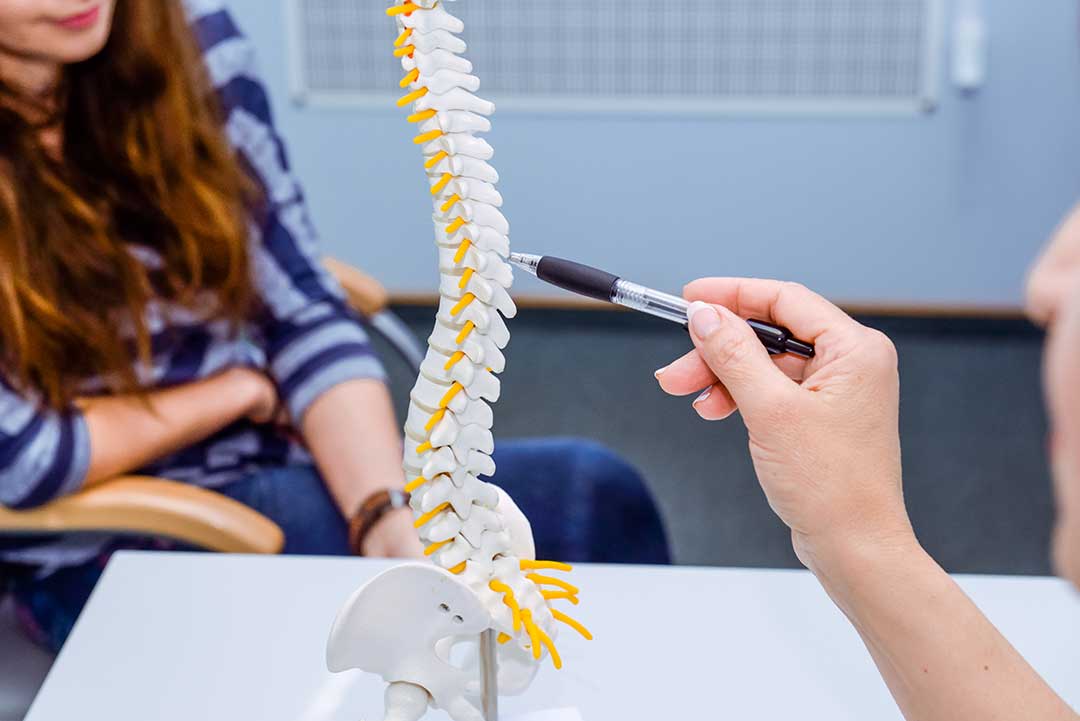
What Role Does Footwear Play in Knee Health?
Appropriate footwear keeps the knee properly aligned and absorbs some of the impact from daily walking on city sidewalks or trails.
- Shoes should fit well, offer cushioning, and have moderate arch support.
- Old or unevenly worn soles can change knee alignment and increase discomfort.
- During winter, footwear with good traction reduces falls and sudden knee injuries on slick surfaces.
How Do Seasonal Changes Affect Knee Pain?
Local residents often report changes in knee comfort along with fluctuating weather, particularly with cold or damp conditions.
- Stiffness may increase in the chilly months, so using warm layers and pre-movement stretching helps.
- During summer, staying hydrated and choosing cooler times of day for long walks limits joint swelling or fatigue.
Some find symptoms temporarily worsen before shifts in weather patterns. These changes are typically mild and manageable with steady self-care routines.
When Should You Seek In-Person Help?
While most knee soreness from daily activity or aging responds well to home management, certain situations merit professional evaluation:
- Sudden inability to bear weight
- Obvious joint deformity, deep cuts, or persistent swelling
- Knee pain paired with fever or redness
Quick response for these signs safeguards long-term mobility and prevents serious outcomes.
